California's SB 1050 Targets Synthetic Performers — Here's How Dealerships Stay Safe
· By Jonathan Rambo, Founder & CEO, AutoDealerAudio
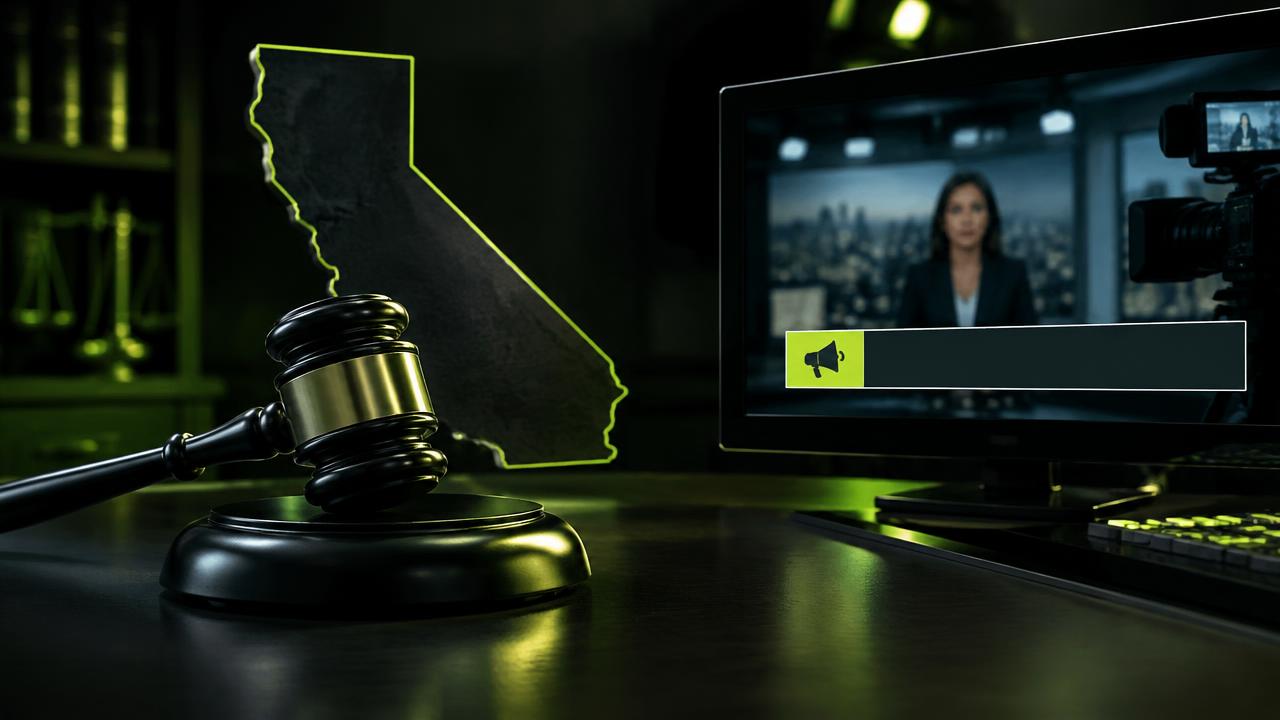
As generative AI tools make it trivial to synthesize digital actors, state governments are enacting strict regulations on undisclosed artificial advertising. California Governor Gavin Newsom signed Senate Bill 1050 into law, taking effect on January 1, 2027. California follows New York, which enacted similar synthetic performer disclosure rules earlier this year[1].
For a dealership, this is not abstract policy. Your advertising runs on broadcast television, radio, streaming audio and social platforms — every one of which has an incentive to enforce these rules aggressively rather than risk liability itself.
What SB 1050 actually requires
Targeting synthetic performers. The law requires a clear and conspicuous disclosure when an audio, video or audiovisual commercial prominently features a synthetic performer[1].
The legal definition. A synthetic performer is a digital figure, voice or representation created with generative AI that gives the realistic impression of a human performance without representing an identifiable real person[1].
Approved disclosures. Mandatory notices must be understandable to a reasonable consumer — phrasing such as "this performance features a synthetic performer" or "no human performer is depicted"[1].
Court enforcement. The rule is enforced under California's false advertising statutes. Courts can issue injunctions ordering broadcasters, streaming services and online platforms to stop distributing non-compliant ads and freeze payments[1].
That last provision is the one worth reading twice. The remedy does not stop at a fine after the fact; it can pull a running campaign off the air mid-flight, during the exact weekend the sales event it was built for is happening.
The distinction that decides your exposure
SB 1050 explicitly targets artificial performers who do not represent identifiable real people, distinguishing them from separate state laws governing digital replicas of actual, recognizable individuals[1]. In other words, the invented spokesperson who exists nowhere is what triggers the disclosure requirement.
A consented clone of your own general manager is a different legal object. It is a digital replica of an identifiable real person, governed by replica and right-of-publicity law, where the controlling question is whether you hold that person's documented authorization. This is precisely why we require a signed release before building any cloned voice or likeness, and why that authorization is limited to advertising produced for the dealership named on it.
How to keep a dealership on the safe side of the line
Three practices cover most of the risk. Keep signed consent on file for every cloned voice and likeness you run. Maintain a record of which elements in each spot were generated. And work with a production partner who can produce both on request rather than shrugging.
We keep dealerships compliant by cloning the actual voices and likenesses of consenting staff members rather than deploying anonymous synthetic performers, and every production is reviewed, edited and finished by human creative professionals before it reaches broadcast. If you want the mechanics of how that is built, read how AI voice cloning works for dealership advertising or why staff cloning beats generic AI avatars.
This article is general information about advertising regulation, not legal advice. Disclosure obligations vary by state, platform and OEM co-op program and are changing quickly — confirm your position with your own counsel or compliance contact.